Brit denies being Bitcoin creator named by New York Times
A Brit denies claims he is the Bitcoin creator named by New York Times, sparking debate about Satoshi Nakamoto’s true identity.


The mystery surrounding the identity of Bitcoin’s creator has once again taken center stage after a British man publicly rejected claims that he is the elusive figure behind the cryptocurrency. The headline, “Brit denies Bitcoin creator New York Times,” has captured global attention, reigniting speculation about who really invented Bitcoin. Over the years, numerous individuals have been linked to the pseudonymous Satoshi Nakamoto, yet none have definitively proven their identity. This latest development adds another twist to a story that blends technology, anonymity, and global intrigue.
Bitcoin, the world’s first decentralized digital currency, has transformed finance, technology, and even politics. However, its origin story remains shrouded in secrecy. The recent claim by a major publication has stirred both curiosity and skepticism, as the man at the center of the controversy firmly denies any involvement. In this article, we dive deep into the claims, the denial, and the broader implications for the cryptocurrency world.
Brit Denies Bitcoin Creator New York Times Claim
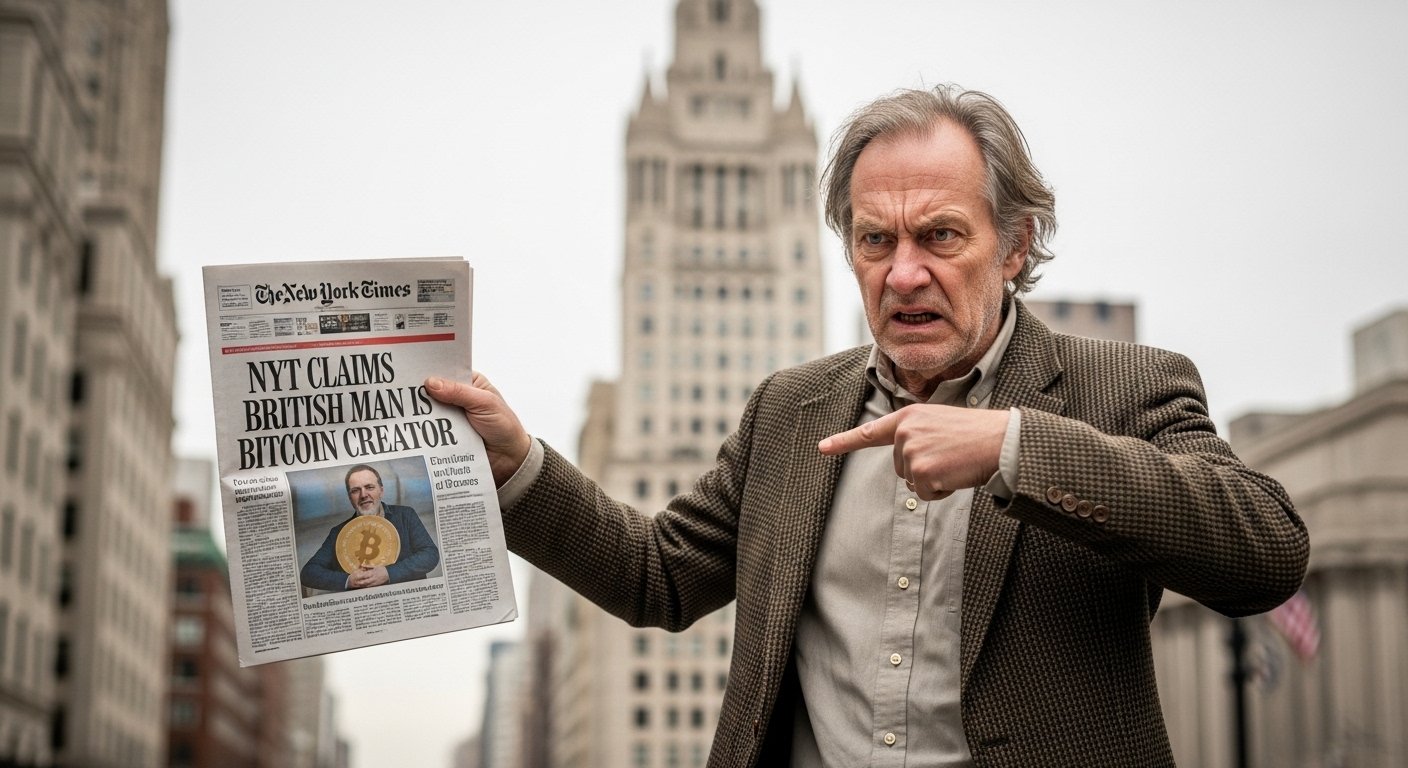
The phrase “Brit denies Bitcoin creator New York Times” quickly became a trending topic after the publication suggested that a British individual could be the real Satoshi Nakamoto. According to the report, certain patterns, historical data, and circumstantial evidence pointed toward this individual as a possible match.
However, the man in question wasted no time in rejecting the claim. He stated unequivocally that he has no connection to Bitcoin’s creation and criticized the report for drawing conclusions based on incomplete or speculative evidence. His denial highlights the recurring issue with attempts to uncover Nakamoto’s identity—most claims rely heavily on indirect clues rather than concrete proof.
The situation underscores how difficult it is to separate fact from fiction when dealing with anonymous figures. Despite advancements in digital forensics and blockchain analysis, the identity of Bitcoin’s creator remains one of the greatest unsolved mysteries in modern technology.
The Ongoing Search for Satoshi Nakamoto
Why the Identity Matters
The identity of Satoshi Nakamoto is not just a matter of curiosity. It has significant implications for the financial world. The creator of Bitcoin is believed to own a massive amount of the cryptocurrency, potentially worth billions of dollars. If this individual were to reveal themselves, it could influence markets and reshape perceptions of Bitcoin’s decentralization.
The keyword “Brit denies Bitcoin creator New York Times” reflects the ongoing obsession with solving this mystery. Each new claim reignites debates among experts, investors, and enthusiasts.
Past Claims and Controversies
Over the years, several individuals have been identified as possible candidates for Satoshi Nakamoto. Some have denied the claims, while others have embraced the spotlight without providing sufficient evidence. These incidents often follow a similar pattern: a bold claim, widespread media coverage, and eventual debunking or denial.
This latest case fits neatly into that pattern. The British man’s firm denial suggests that the mystery remains unsolved, despite repeated attempts by journalists and researchers to uncover the truth.
How the New York Times Identified the Suspect
The report that led to the “Brit denies Bitcoin creator New York Times” narrative relied on a combination of investigative techniques. These included linguistic analysis, historical research, and examination of digital footprints.
Linguistic Patterns
One common method used to identify Satoshi Nakamoto involves analyzing writing style. By comparing the language used in Bitcoin’s original whitepaper and forum posts to other known writings, researchers attempt to find similarities. However, this approach is far from foolproof, as writing styles can be imitated or intentionally altered.
Technical Expertise
Another factor considered in such investigations is technical knowledge. Bitcoin’s creator demonstrated a deep understanding of cryptography, distributed systems, and economics. The British individual named in the report reportedly has expertise in related fields, which contributed to the speculation.
Limitations of the Evidence
Despite these methods, the evidence presented was largely circumstantial. This explains why the individual was quick to deny the claim, emphasizing that correlation does not equal causation.
Public Reaction to the Claim
The story “Brit denies Bitcoin creator New York Times” has sparked widespread discussion across social media platforms, forums, and financial communities.
Skepticism Among Experts
Many cryptocurrency experts remain skeptical of the claim. They argue that without definitive proof—such as cryptographic verification using Satoshi’s private keys—it is impossible to confirm anyone’s identity as the creator of Bitcoin.
Interest from the General Public
For the general public, the story adds an element of intrigue to an already fascinating topic. The idea that an ordinary individual could be the mastermind behind a global financial revolution captures the imagination.
Impact on Bitcoin’s Reputation
Interestingly, these revelations and denials rarely have a lasting impact on Bitcoin’s value or adoption. The network operates independently of its creator, reinforcing its decentralized nature.
The Importance of Anonymity in Bitcoin
A Deliberate Choice
Many experts believe that Satoshi Nakamoto’s anonymity was intentional. By remaining unknown, the creator ensured that Bitcoin would not be associated with any single individual or authority.
The ongoing narrative of “Brit denies Bitcoin creator New York Times” highlights how this anonymity continues to shape discussions about Bitcoin’s origins.
Protecting the Vision
Anonymity also protects the creator from legal and political pressures. Given Bitcoin’s disruptive potential, revealing one’s identity could have significant consequences.
Decentralization Above All
Bitcoin’s success lies in its decentralized structure. The identity of its creator, while intriguing, is ultimately irrelevant to its functionality and value.
Media’s Role in the Bitcoin Mystery
The media plays a crucial role in shaping public perception of Bitcoin and its origins. Stories like “Brit denies Bitcoin creator New York Times” demonstrate how powerful narratives can influence discussions.
Sensationalism vs. Evidence
While investigative journalism is important, there is often a fine line between thorough reporting and sensationalism. Claims about Satoshi Nakamoto tend to attract significant attention, even when the evidence is weak.
The Responsibility of Reporting
Media outlets have a responsibility to present information accurately and avoid drawing premature conclusions. In cases like this, the consequences can include reputational damage for the individuals involved.
What This Means for the Future of Bitcoin

Continued Speculation
As long as Satoshi Nakamoto remains anonymous, speculation will continue. The phrase “Brit denies Bitcoin creator New York Times” is just one chapter in an ongoing story.
Focus on Innovation
Rather than focusing solely on the creator’s identity, many experts suggest that attention should be directed toward Bitcoin’s technological advancements and real-world applications.
Growing Adoption
Bitcoin continues to gain acceptance as a legitimate asset and payment method. Its growth is driven by innovation, community support, and increasing institutional interest.
Conclusion
The headline “Brit denies Bitcoin creator New York Times” serves as a reminder that the mystery of Satoshi Nakamoto is far from resolved. Despite countless investigations and claims, the true identity of Bitcoin’s creator remains hidden. This latest denial reinforces the idea that uncovering Nakamoto’s identity may be more challenging than ever.
For enthusiasts and investors alike, the focus should remain on Bitcoin’s potential and impact rather than the identity of its creator. The technology continues to evolve, shaping the future of finance in unprecedented ways.
If you’re fascinated by stories like “Brit denies Bitcoin creator New York Times,” stay updated with the latest developments in the cryptocurrency world and explore how Bitcoin continues to redefine global finance.
See more;Trump Coin and Meme Tokens Blamed for Crypto Winter by Ross Gerber