bitcoin miners face a new rival for cheap power
Bitcoin miners face a new rival for cheap power as Anthropic signs a massive multi-gigawatt compute deal, reshaping energy competition.

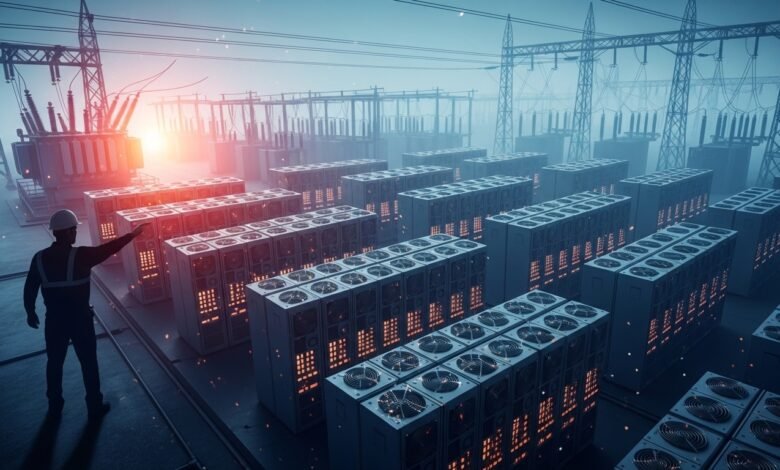
The global energy landscape for digital infrastructure is undergoing a dramatic shift as bitcoin miners face a new rival for cheap power in the form of artificial intelligence companies. Recently, Anthropic’s multi-gigawatt compute deal has sparked significant attention, signaling a growing competition between crypto mining operations and AI-driven data centers for access to low-cost electricity. This development marks a turning point in how energy resources are allocated in the tech industry, raising questions about sustainability, pricing, and long-term viability. As both sectors demand massive computational power, the race for affordable energy is becoming more intense, reshaping the economics of blockchain and AI ecosystems alike.
Bitcoin Miners Face a New Rival for Cheap Power
The phrase bitcoin miners face a new rival for cheap power has quickly become a defining narrative in the intersection of cryptocurrency and artificial intelligence. For years, bitcoin miners relied on regions with abundant, low-cost electricity—such as hydro-rich areas or regions with surplus energy—to maximize profitability. However, the emergence of large-scale AI companies like Anthropic has introduced a formidable competitor into this equation.
Anthropic’s recent multi-gigawatt compute agreement represents a massive commitment to energy consumption. Unlike bitcoin mining, which fluctuates with market prices, AI workloads demand consistent and predictable power. This reliability makes AI firms more attractive customers for energy providers, potentially driving up costs for miners.
As a result, cheap electricity for bitcoin mining is no longer as accessible as it once was. Energy providers are now prioritizing long-term contracts with AI companies, leaving miners to compete in an increasingly crowded and expensive market.
The Rise of AI Compute Demand and Energy Consumption
AI’s Growing Appetite for Power
Artificial intelligence models, particularly large language models and generative AI systems, require enormous computational resources. Training and running these systems involves data centers operating at full capacity, consuming vast amounts of electricity.
The AI data center energy demand has surged in recent years, driven by advancements in machine learning and increased adoption across industries. Companies like Anthropic are investing heavily in infrastructure to support these demands, securing long-term energy deals that rival or exceed those of traditional industries.
Impact on Energy Markets
The influx of AI companies into energy markets is reshaping pricing dynamics. Utilities and energy producers are increasingly favoring clients who can guarantee stable consumption over extended periods. This shift disadvantages bitcoin miners, whose energy usage can fluctuate based on market conditions.
Consequently, energy competition between AI and crypto mining is intensifying. Regions that once catered primarily to mining operations are now attracting AI investments, leading to rising electricity costs and reduced availability for miners.
Why Cheap Power Is Critical for Bitcoin Mining
Profitability and Margins
Bitcoin mining is an energy-intensive process where profitability depends heavily on electricity costs. Even slight increases in energy prices can significantly impact miners’ margins.
The cost of bitcoin mining electricity often determines whether operations remain viable. With AI companies entering the market, miners are facing higher costs, forcing them to reconsider their strategies and locations.
Geographic Shifts in Mining Operations
Historically, miners have migrated to regions with the cheapest energy. However, as AI companies secure large-scale deals in these same regions, miners are being pushed to explore new territories.
This shift may lead to increased interest in underdeveloped energy markets or alternative energy sources. However, the competition introduced by Anthropic’s deal complicates this transition, as bitcoin mining energy competition becomes more global and aggressive.
Anthropic’s Multi-Gigawatt Deal Explained
Scale and Significance
Anthropic’s multi-gigawatt compute deal is not just another corporate agreement—it represents a massive escalation in AI infrastructure investment. The scale of this deal indicates a long-term commitment to securing energy resources for AI development.
This move highlights the growing importance of AI infrastructure energy needs, which are now rivaling traditional industries in scale. The deal also signals confidence in the future of AI, suggesting that demand for compute power will continue to rise.
Long-Term Implications
The implications of this deal extend beyond immediate energy competition. By locking in large amounts of power, Anthropic is effectively reducing the supply available to other industries, including bitcoin mining.
This dynamic reinforces the idea that bitcoin miners face a new rival for cheap power, one that is better positioned to secure long-term contracts and influence energy markets.
The Clash Between Crypto Mining and AI
Competing Business Models
Bitcoin mining and AI computing operate under fundamentally different business models. Mining is highly sensitive to market volatility, while AI operations prioritize stability and scalability.
This difference gives AI companies an advantage when negotiating energy contracts. Utilities prefer predictable demand, making AI vs bitcoin mining energy usage a critical factor in determining who gets access to cheap power.
Environmental Considerations
Both industries have faced criticism for their environmental impact. However, AI companies are increasingly investing in renewable energy and sustainability initiatives, improving their public image.
In contrast, bitcoin mining continues to face scrutiny over its energy consumption. This disparity may further tilt the balance in favor of AI companies when it comes to securing energy resources.
How Miners Are Adapting to the New Reality
Diversifying Energy Sources
To remain competitive, miners are exploring alternative energy sources such as solar, wind, and geothermal power. These options can provide more stable and potentially cheaper energy in the long run.
The shift toward renewable energy for bitcoin mining is gaining momentum as miners seek to reduce dependency on traditional energy markets.
Technological Innovations
Advancements in mining hardware and efficiency are helping offset rising energy costs. More efficient machines can produce the same output with less electricity, improving profitability.
However, these improvements may not fully compensate for the increased competition introduced by AI companies, reinforcing the challenges highlighted by bitcoin miners face a new rival for cheap power.
The Future of Energy Competition in Tech
Increasing Demand Across Industries
As both AI and blockchain technologies continue to grow, demand for energy will only increase. This trend suggests that competition for cheap power will remain a defining issue in the tech industry.
The rise of high-performance computing energy demand is reshaping how energy is produced, distributed, and consumed.
Potential Policy and Regulatory Changes
Governments may step in to regulate energy allocation, especially in regions where demand exceeds supply. Policies could prioritize certain industries or encourage renewable energy adoption.
Such developments could significantly impact the balance between AI and bitcoin mining, influencing how the competition for cheap power evolves.
Economic and Market Implications
Rising Costs for Bitcoin Mining
As AI companies secure more energy resources, bitcoin miners are likely to face higher operational costs. This trend could lead to consolidation within the mining industry, with smaller players being pushed out.
The increasing bitcoin mining operational costs may also affect the broader cryptocurrency market, influencing prices and network stability.
Opportunities for Innovation
Despite these challenges, the competition also creates opportunities for innovation. Both industries may invest in more efficient technologies and alternative energy solutions.
This dynamic could ultimately benefit the global energy ecosystem, driving advancements in sustainability and efficiency.
Conclusion
The reality that bitcoin miners face a new rival for cheap power marks a significant تحول in the tech and energy sectors. Anthropic’s multi-gigawatt compute deal underscores the growing dominance of AI in the race for energy resources, challenging the long-standing position of bitcoin miners.
As competition intensifies, miners must adapt by embracing innovation, exploring renewable energy, and optimizing efficiency. Meanwhile, the broader industry will continue to evolve as energy demand rises and new players enter the market.
If you want to stay ahead in this rapidly changing landscape, keep a close eye on how bitcoin miners face a new rival for cheap power—because this competition is shaping the future of both cryptocurrency and artificial intelligence.
See more;how to invest in blockchain technology stocks Applications Benefits & Future Trends