Register for FREE to Continue Using Reuters.com
Learn why you see “Register for FREE to continue using Reuters.com,” what you get with free access, and how to sign up in minutes without paying.

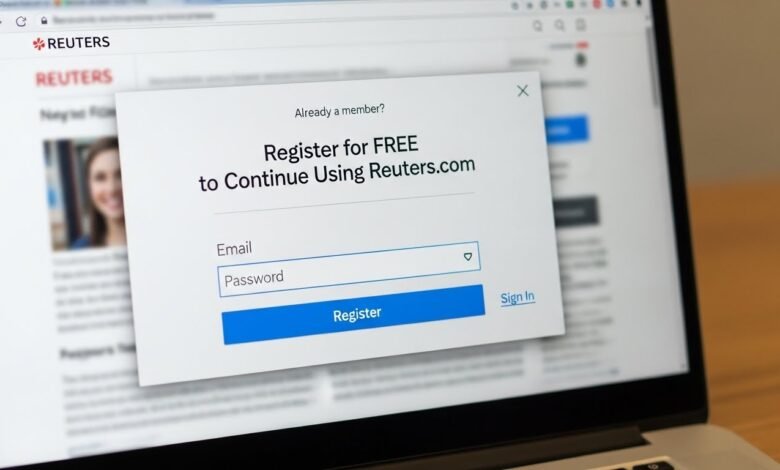
If you read international news online, you have probably seen the message “Register for FREE to continue using Reuters.com” at least once. It can be a little jarring. One moment you are scrolling through a breaking story, and the next you are told to create an account before you can keep reading. Many people wonder whether this means Reuters is no longer free, whether registration is safe, and what exactly they gain by signing up.
In reality, Reuters.com free registration is part of a broader shift in digital news. Around the world, leading news organizations are balancing two needs. On one hand, readers want quick, easy access to trustworthy reporting. On the other, quality journalism is expensive to produce, and publishers need ways to support their work without locking everything behind a hard paywall. Asking visitors to register for free is a middle path. It allows Reuters to learn more about its audience, personalize the experience and encourage loyalty, while still letting people read news without immediately paying for a subscription.
This article walks you through everything you need to know about that prompt to “Register for FREE to continue using Reuters.com.” You will learn what the message actually means, why Reuters encourages free registration, what benefits you gain by creating an account, and how to sign up in just a few steps. You will also understand how free registration compares to a paid news subscription, what happens if you do not register, and how your data is typically handled.
By the end, you will be able to decide with confidence whether to create a Reuters.com free account, how to use it in a smart way, and how to make the most of one of the world’s most respected news sources.
What Does “Register for FREE to Continue Using Reuters.com” Mean?
When you see the banner or pop-up saying “Register for FREE to continue using Reuters.com,” it is simply a request to create a basic user account on the site. You are not being asked to pay. Instead, Reuters is asking you to sign up with an email address, password and a few basic details so it can recognize you as a returning reader.
Typically, this kind of free registration is used to manage access in several ways. First, it helps the site keep track of how many articles you read, which sections you visit and which regions interest you most. Second, it allows Reuters to show you personalized news recommendations, newsletters and alerts that match your interests. Third, it gives the publisher a more stable relationship with readers compared to anonymous visits, which are harder to sustain over time.
The key point is that the phrase “Register for FREE” is literal. You are not signing up for a paid subscription when you respond to this message. Instead, you are unlocking extended access to Reuters.com content while staying in the free tier, subject to any article limits or usage policies Reuters may apply now or in the future.
Why Reuters Uses a Free Registration Wall
Supporting Quality Journalism in the Digital Age
Producing high-quality, factual and timely news is resource intensive. Reuters employs reporters, editors, photographers, videographers and data specialists around the world. These professionals gather information from conflict zones, financial centers, political institutions and local communities. They verify facts, cross-check sources and present information in a clear, neutral way.
All of this takes money. Historically, news organizations relied heavily on print sales and advertising. In the digital era, online advertising is often not enough to sustain independent journalism at scale. That is why many media outlets have moved to paywalls, metered access and subscription models.
By encouraging readers to register for free, Reuters can better understand its audience, improve its advertising model and offer additional digital products while keeping much of its reporting accessible. This strategy helps protect the financial sustainability of Reuters news coverage without immediately forcing every reader to pay.
Balancing Accessibility and Revenue
A full paywall can limit the reach of journalism. Important stories about elections, climate, markets or public health might reach fewer people if they are locked away. At the same time, a completely open site with no account system can struggle to survive financially.
The “Register for FREE to continue using Reuters.com” approach strikes a balance. It asks readers to make a small commitment by signing up, while still allowing them to access free Reuters articles, live updates and other features. This way, Reuters can reward loyal readers with a better experience and keep its content widely available to the public.
Benefits of Creating a Free Reuters.com Account
Access to More Articles and Features
One of the main reasons to respond to the “Register for FREE to continue using Reuters.com” prompt is simple. In many cases, once you are registered, you can read more articles, access additional sections and have fewer interruptions. While exact limits can vary over time, most free registration models give you a broader window of access compared to visiting as a completely anonymous visitor.
With a Reuters.com free account, you can typically explore breaking news, in-depth features, opinion and analysis pieces, and various topic pages such as business, markets, technology and world news. The number of articles you can see may still be metered, but your experience is usually smoother than trying to browse without registering.
Personalized News Experience
Another key advantage of registering is a more personalized news experience. When you create an account, Reuters can use your preferences and reading history to highlight stories that match your interests. You might see more coverage from regions you care about, sectors you follow professionally or topics you read about regularly.
This does not mean your feed becomes an echo chamber. Reuters remains committed to broad, fact-based coverage. However, free registration allows its systems to surface relevant articles more efficiently. This can save you time and make your visits more productive, especially if you rely on Reuters.com for work or research.
Email Alerts and Newsletters
Many readers also sign up to receive newsletters and email alerts when they register for free. These communications can include daily news roundups, market summaries, political briefings and specialized updates for industries like energy, technology or finance.
By managing your Reuters account settings, you can choose which newsletters you want, how often you receive them and how they appear in your inbox. Instead of checking the site manually throughout the day, you can let key headlines come to you, then click through to full stories when something catches your eye.
Cross-Device Continuity
When you create a free Reuters.com login, your account can work across different devices. You can read an article on your laptop, then open the Reuters mobile site or app on your phone and pick up where you left off. This kind of continuity is much harder to offer when every visit is anonymous.
With registered access, Reuters can sync your preferences, viewing history and saved stories between sessions. That makes digital news consumption feel more seamless, whether you are commuting, at your desk or relaxing at home.
Is Registering for Free on Reuters.com Safe?
Data Collection and Privacy Basics
Whenever you create an online account, it is natural to wonder how your data will be used. When you see “Register for FREE to continue using Reuters.com,” you are being asked to share personal information, usually including your email address and possibly your name, location or professional role.
Reputable news organizations provide a privacy policy explaining what data they collect, how they use it, and whether it is shared with partners such as advertisers or analytics providers. Reuters is a global news leader with a strong reputation, so it has an interest in handling user data responsibly. Still, it is always wise to read the privacy policy and terms of use before completing your registration.
In general, a free Reuters.com account allows the company to:
Keep track of your visits and reading habits over time
Show you more relevant content and advertising
Communicate with you via newsletters or product updates
These are standard practices across major news websites and are a trade-off for receiving high-quality reporting without immediately paying for a subscription.
Tips for Safer Registration
If you decide to register for free, you can take a few simple steps to protect yourself. Use a strong, unique password for your Reuters account so that a breach on another site does not put it at risk. Consider using a password manager to keep everything secure.
You may also decide whether to use your primary email address or a dedicated email for news registrations. This can help you manage newsletters and marketing messages more easily. Once your account is active, visit the settings page to review your communication preferences, privacy options and any available security features.
How to Register for FREE on Reuters.com
Step-by-Step Overview
The process of responding to the “Register for FREE to continue using Reuters.com” message is usually quick and straightforward. While specific screens may change over time, the core steps are similar.
First, click on the registration or sign-up button when prompted. You will be taken to a Reuters account creation page. There, you will be asked to provide an email address and create a password. Some forms may ask for additional details such as your name, country, profession or areas of interest.
Next, review the terms of use and privacy policy. If you agree, submit the form. Reuters may send a confirmation email to verify your address. In that case, open the email and follow the confirmation link to activate your account.
Once your Reuters.com free registration is complete, return to the site and sign in with your new credentials. The registration wall should disappear, and you can continue reading within the limits of the free tier.
Managing Your Account After Registration
After you log in, look for account or profile options in the site menu. There you can update your personal information, change your password, manage newsletter subscriptions and adjust notification settings.
If at some point you decide you no longer want a Reuters.com free account, you can typically unsubscribe from emails or deactivate your account via the same settings area or by contacting support. It is helpful to review these options so you always feel in control of your digital footprint.
Free Registration vs Paid News Subscriptions
What You Get for Free
When you register for FREE to continue using Reuters.com, you gain broader access than a completely anonymous visitor, but you are still in a free tier. That usually means you can read a certain number of articles per month, explore key sections and take advantage of personalization features.
Free readers may occasionally see prompts encouraging them to upgrade to a paid news subscription or professional product, especially if they consume a large amount of content. However, in many cases, casual readers can stay in the free tier indefinitely, as long as they are comfortable with the number of articles available and any advertising that appears.
When a Paid Subscription Might Make Sense
For some users, particularly finance professionals, researchers or heavy news consumers, a paid product may be worth considering. A premium Reuters service or a broader subscription can offer deeper data coverage, advanced analytics, real-time market information and a higher volume of content access.
The important thing is that free registration and paid access are not the same. Responding to the message “Register for FREE to continue using Reuters.com” is about creating a basic account, not signing a billing agreement. You remain in control of whether to upgrade, and you can make that decision later based on how often you use the site and what features you need.
What Happens If You Ignore the Registration Prompt?
If you choose not to register for free, your experience on Reuters.com may become more limited over time. You may be able to read a small number of articles, but eventually you are likely to encounter the same message again asking you to sign up.
Without registration, the site treats you as a guest visitor each time. It has fewer ways to personalize your content and fewer signals about your interests, which can reduce the relevance of the stories you see on the homepage or in recommendation modules. You may also miss out on newsletters, alerts and other benefits that come with a Reuters free account.
That said, the choice is yours. Some readers prefer to keep their browsing as anonymous as possible and will accept a limited experience. Others will decide that the advantages of free Reuters.com registration outweigh the small amount of information they provide in return.
How Reuters Registration Fits into Your Overall News Diet
Combining Multiple News Sources
Even after you register for FREE to continue using Reuters.com, you will probably continue visiting other news sites as well. This is a good habit. A healthy news diet brings together multiple perspectives, formats and publishers. Reuters is known for its factual, neutral coverage and strong focus on markets and international affairs. Other outlets may emphasize opinion, local news or long-form investigative reporting.
Registering with Reuters simply adds another strong source to your digital toolkit. You can use it to cross-check stories you see elsewhere, verify headlines, and get a straightforward view of events from a respected global newswire.
Using Reuters for Work, Study or Investing
For professionals, students and investors, a Reuters.com free account can be especially valuable. If you work in business, finance, policy or media, Reuters is often among the first to report on major developments. Having consistent access to its coverage, even in a free tier, can help you stay informed about market moves, corporate updates and geopolitical events.
Students and researchers can also benefit from reliable reporting when preparing assignments, presentations or projects. By using Reuters alongside academic sources, they can ground their work in up-to-date, fact-checked information.
Conclusion
The recurring message “Register for FREE to continue using Reuters.com” is not a trap, and it is not a demand for payment. It is an invitation to create a basic account that helps Reuters manage its business while giving you better access to trustworthy news.
By registering, you typically gain the ability to read more articles, enjoy a smoother and more personalized experience, receive useful newsletters and maintain continuity across devices. In exchange, you share limited personal information and allow Reuters to use your activity data for analytics, personalization and advertising.
If you value independent, global journalism and you find yourself returning to Reuters for breaking news and analysis, responding to the prompt and creating a free Reuters.com account can be a smart decision. It takes only a few minutes and can significantly improve your day-to-day news reading experience. If you prefer to stay anonymous, you can still visit the site, but with tighter limits and fewer features.
Ultimately, the choice comes down to how often you rely on Reuters, how comfortable you are with standard online registration practices, and how much you want a tailored stream of high-quality news. Armed with the information in this guide, you can now make that choice confidently and use Reuters in a way that fits your habits and values.
FAQs
Q; Does “Register for FREE to continue using Reuters.com” mean I have to pay later?
No, the “Register for FREE” message refers to creating a basic account without payment. You are signing up for a free tier that lets Reuters know who you are when you visit, so it can manage your access and personalize your experience. You may see offers for paid products in the future, but registering for free does not automatically convert into a paid subscription.
Q; Why does Reuters want me to create a free account at all?
Reuters encourages you to register for free so it can support its business model while keeping much of its journalism available without an immediate paywall. Free registration helps Reuters understand its audience, improve advertising, and offer features like personalization, newsletters and cross-device access. This approach balances accessibility with the financial needs of quality journalism.
Q; What information do I usually need to provide when registering for free?
When you respond to “Register for FREE to continue using Reuters.com,” you are typically asked for an email address and a password, and sometimes additional details such as your name, country or professional area. This information helps Reuters tailor content and communications to your interests. You should always review the privacy policy and terms of use so you understand how your data will be handled.
Q; Can I still read Reuters.com without registering for free?
In many cases you can read a limited number of Reuters articles without registering, but over time you will likely see the registration prompt more often and face tighter limits on access. Without a free Reuters.com account, your experience remains more restricted and less personalized. Registering usually unlocks smoother navigation and more generous access while you stay in the free tier.
Q; How do I manage or delete my Reuters.com free account if I change my mind?
If you decide after some time that you no longer want your free Reuters account, you can go to your profile or account settings when logged in. There you can adjust your newsletter subscriptions, change your email and password or explore options to deactivate or delete your account. You may also be able to contact Reuters support for help. Managing these settings ensures you stay in control of your data and your overall experience on Reuters.com.
See more;Best Bitcoin Trading Platform News Reviews Top 7 in 2025