
Choosing the best bitcoin exchange for beginners can feel overwhelming with hundreds of platforms competing for your attention. Whether you’re looking to make your first Bitcoin purchase or diversify your investment portfolio, selecting the right exchange is crucial for a safe and seamless experience. In 2025, the cryptocurrency landscape has matured significantly, offering newcomers more user-friendly options than ever before.
This comprehensive guide will walk you through everything you need to know about finding the perfect Bitcoin exchange for your needs. We’ll compare top platforms, analyze fees, examine security features, and provide actionable steps to help you start your crypto journey confidently. By the end of this article, you’ll have all the information needed to make an informed decision and begin trading Bitcoin safely.
What Makes the Best Bitcoin Exchange for Beginners?
Before diving into specific platforms, it’s essential to what separates beginner-friendly exchanges from professional trading platforms.
User-Friendly Interface
The best exchanges for newcomers prioritize simplicity without sacrificing functionality. Look for platforms with:
- Clean, intuitive dashboards that don’t overwhelm with technical jargon
- Clear navigation menus that make buying, selling, and storing Bitcoin straightforward
- Mobile apps with the same functionality as desktop versions
- Step-by-step tutorials and educational resources built into the platform
A cluttered interface filled with advanced trading tools can intimidate beginners and lead to costly mistakes. The ideal exchange balances accessibility with enough features to grow as your knowledge expands.
Robust Security Features
Security should never be compromised, especially when dealing with digital assets. Beginner-friendly exchanges must offer:
- Two-factor authentication (2FA) using authenticator apps or SMS
- Cold storage for the majority of user funds
- Insurance coverage against hacks and security breaches
- Regular security audits by third-party firms
- Withdrawal whitelist options to prevent unauthorized transfers
According to industry reports, exchanges with comprehensive security measures have significantly lower incident rates. Never compromise on security features, regardless of how user-friendly a platform appears.
Competitive Fee Structures
fee structures is crucial for beginners. The best platforms offer:
- Transparent fee schedules with no hidden charges
- Competitive trading fees (typically 0.1% to 1% per transaction)
- Low or zero deposit fees for bank transfers
- Reasonable withdrawal fees that don’t eat into your investment
- Discounts for higher trading volumes as you gain experience
Some exchanges also offer reduced fees when using their native tokens for payments, which can result in significant savings over time.
Educational Resources and Customer Support
Learning resources separate good exchanges from great ones. Look for platforms providing:
- Comprehensive knowledge bases with articles and video tutorials
- 24/7 customer support through multiple channels (live chat, email, phone)
- Active community forums where users can ask questions
- Regular webinars and market analysis updates
- Demo accounts or small investment options to practice without risk
Quality customer support can make the difference between a frustrating experience and a smooth onboarding process, especially when you encounter your first technical issue.
Top 7 Best Bitcoin Exchanges for Beginners in 2025

After extensive research and analysis, here are the leading platforms that excel at serving cryptocurrency newcomers.
1. Coinbase – The Industry Standard for New Users
Coinbase has long been considered the gateway exchange for beginners, and for good reason. The platform offers an incredibly intuitive interface that simplifies the entire Bitcoin buying process.
Key Features:
- One-click Bitcoin purchases with bank accounts or debit cards
- Insured deposits up to $250,000 per user
- Educational program that rewards users with free cryptocurrency
- Available in over 100 countries with local currency support
- Advanced Coinbase Pro option for experienced traders
Fee Structure:
- Trading fees: 0.5% – 4% depending on payment method
- Bank transfer deposits: Free
- Debit card purchases: 3.99% fee
Pros:
- Extremely beginner-friendly interface
- Strong regulatory compliance and insurance
- Excellent mobile app experience
- Large selection of cryptocurrencies beyond Bitcoin
Cons:
- Higher fees compared to some competitors
- Limited advanced trading features on the basic platform
- Occasional service interruptions during high volatility
Best For: Complete beginners who prioritize ease of use and are willing to pay slightly higher fees for a premium experience.
2. Kraken – Security-Focused with Low Fees
Kraken strikes an excellent balance between beginner-friendliness and advanced features. Known for its strong security track record, the platform has never been hacked since its 2011 launch.
Key Features:
- Industry-leading security with full reserve audits
- Low trading fees starting at 0.16%
- Staking options for passive income
- Futures and margin trading available
- 24/7 customer support
Fee Structure:
- Maker fees: 0.16%
- Taker fees: 0.26%
- Bank transfer deposits: Free
- Wire transfer withdrawals: $5
Pros:
- Extremely competitive fee structure
- Excellent security reputation
- Wide range of cryptocurrencies
- Good educational resources
Cons:
- Interface can be slightly intimidating for absolute beginners
- Verification process can take several days
- Limited payment options in some regions
Best For: Beginners who want low fees and top-tier security while being willing to navigate a slightly more complex interface.
3. Binance.US – Low Fees with Advanced Features
Binance.US brings the global Binance platform’s power to American users with regulatory compliance. It offers some of the lowest fees in the industry while maintaining a relatively beginner-friendly experience.
Key Features:
- Extremely low trading fees (0.1% standard)
- Massive selection of cryptocurrencies
- Advanced trading tools for growth
- Staking and savings programs
- Binance Academy for education
Fee Structure:
- Trading fees: 0.1% (even lower with BNB token)
- Bank transfer deposits: Free
- Debit card purchases: 4.5%
Pros:
- Industry’s lowest trading fees
- Comprehensive cryptocurrency selection
- Strong mobile app experience
- Growing educational resources
Cons:
- Can be overwhelming for complete beginners
- Customer support can be slow during peak times
- Regulatory uncertainty in some regions
Best For: Beginners who plan to trade frequently and want to minimize fees while having room to grow into advanced features.
4. Gemini – Regulated and Beginner-Friendly
Founded by the Winklevoss twins, Gemini emphasizes regulatory compliance and user protection. The platform is particularly popular among risk-averse beginners.
Key Features:
- Full regulation and insurance coverage
- Clean, simple interface
- Free withdrawals (10 per month)
- Institutional-grade security
- Gemini Earn for interest on holdings
Fee Structure:
- Convenience fee: 0.5% – 3.49%
- Active trader fees: 0.2% – 0.35%
- Bank transfer deposits: Free
- First 10 withdrawals per month: Free
Pros:
- Strong regulatory compliance
- Excellent security measures
- User-friendly for beginners
- Generous free withdrawal policy
Cons:
- Higher fees on convenient purchases
- Smaller cryptocurrency selection
- Not available in all U.S. states
Best For: Security-conscious beginners who want a fully regulated platform with insurance protection.
5. Cash App – Perfect for Casual Bitcoin Buyers
For those already using Cash App for payments, adding Bitcoin purchases is seamless. This platform excels at making crypto accessible to complete beginners.
Key Features:
- Instant Bitcoin purchases within the Cash App
- No minimum purchase amount
- Simple, mobile-first design
- Automatic tax reporting
- Bitcoin gifting feature
Fee Structure:
- Variable spread (typically 1.5% – 2%)
- No separate transaction fees
- Free Bitcoin withdrawals to external wallets
Pros:
- Incredibly simple for beginners
- No minimum purchase requirements
- Instant transactions
- Familiar interface for Cash App users
Cons:
- Only supports Bitcoin
- Higher effective fees due to spread
- Limited trading features
- No advanced tools or analytics
Best For: Absolute beginners who want the simplest possible way to buy Bitcoin and already use Cash App.
6. eToro – Social Trading for Learning
eToro combines cryptocurrency trading with social features, allowing beginners to learn from experienced traders through copy-trading functionality.
Key Features:
- Copy-trading feature to mimic successful traders
- Social feed with market insights
- Demo account with virtual money
- User-friendly interface
- Multi-asset platform (stocks, crypto, commodities)
Fee Structure:
- Trading fees: 1% on cryptocurrency
- Deposit fees: Vary by payment method
- Withdrawal fee: $5
- Inactivity fee: $10 per month after 12 months
Pros:
- Unique social learning features
- Demo account for risk-free practice
- Multi-asset trading on one platform
- Active community of traders
Cons:
- No crypto withdrawals to personal wallets
- Higher fees than some competitors
- Limited cryptocurrency selection
- Inactivity fees can add up
Best For: Beginners who want to learn from experienced traders and prefer a social approach to investing.
Crypto.com – All-in-One Crypto Ecosystem
Crypto.com offers a comprehensive cryptocurrency ecosystem with competitive features for beginners looking to explore beyond basic trading.
Key Features:
- Visa debit card with crypto rewards
- Staking options with high yields
- NFT marketplace integration
- Crypto.com Pay for merchant payments
- University learning platform
Fee Structure:
- Trading fees: 0.075% – 0.15%
- First 30 days: Zero fees
- Credit card purchases: 2.99%
- Free withdrawals (limits apply)
Pros:
- Competitive fee structure
- Excellent mobile app
- Crypto rewards debit card
- Comprehensive ecosystem
Cons:
- Interface can be overwhelming initially
- Customer service inconsistency
- Card tier requirements can be high
- Some features locked behind staking requirements
Best For: Beginners who want an all-in-one platform and plan to actively use cryptocurrency for various purposes.
How to Choose Your First Bitcoin Exchange: Step-by-Step Guide
Selecting from the best bitcoin exchanges for beginners requires evaluating your specific needs and circumstances.
Assess Your Experience Level
Be honest about your technical knowledge and comfort with financial platforms. If you’ve never invested before, prioritize simplicity over advanced features. Platforms like Coinbase and Cash App excel here.
Determine Your Investment Goals
Are you planning to:
- Buy and hold Bitcoin long-term (HODLing)?
- Trade actively to capitalize on price movements?
- Use Bitcoin for purchases and transactions?
- Experiment with small amounts before committing?
Your goals should dictate which features matter most. Long-term holders need excellent security and storage options, while active traders require low fees and advanced charts.
Compare Fee Structures
Calculate the total cost of ownership, including:
- Trading fees per transaction
- Deposit and withdrawal fees
- Network fees for Bitcoin transfers
- Spread markups on purchases
- Subscription or maintenance fees
A platform with “zero fees” might charge higher spreads, making it more expensive overall. Always compare the total cost for your expected trading volume.
Evaluate Security Features
Research each platform’s security track record:
- Has the exchange been hacked before?
- How are user funds stored (hot vs. cold wallets)?
- What insurance coverage exists?
- What authentication methods are available?
- How transparent is the company about security practices?
Check Availability in Your Region
Not all exchanges operate in every country or U.S. state. Verify that your chosen platform:
- Accepts customers from your location
- Supports your local currency
- Offers convenient payment methods (bank transfer, card, PayPal)
- Complies with local regulations
Test Customer Support
Before funding your account, test the platform’s customer support:
- Send a question through their help system
- Try live chat if available
- Check response times and quality
- Read recent user reviews about support experiences
Responsive, helpful customer service is invaluable when you encounter issues.
Start Small
Once you’ve selected an exchange, begin with a small amount you’re comfortable losing. This approach lets you:
- Familiarize yourself with the platform’s interface
- Test the buying and selling process
- fee structures in practice
- Experience Bitcoin’s volatility without major risk
- Build confidence before increasing your investment
Setting Up Your First Bitcoin Exchange Account
Once you’ve chosen the best bitcoin exchange for beginners that fits your needs, follow these steps to get started safely.
Account Registration Process
Most exchanges require:
- Valid email address and strong password
- Personal information (name, date of birth, address)
- Phone number for two-factor authentication
- Government-issued ID for verification (passport, driver’s license)
- Sometimes a selfie or video verification
The verification process typically takes 10 minutes to several days, depending on the platform and current demand. Have your documents ready to expedite approval.
Identity Verification (KYC)
Know Your Customer (KYC) requirements are standard across regulated exchanges. While this reduces anonymity, it provides important benefits:
- Regulatory compliance and legal protection
- Higher account limits for deposits and withdrawals
- Access to all platform features
- Reduced fraud and increased security
Reputable exchanges use secure systems to protect your identity documents. However, always verify you’re on the legitimate website (check the URL carefully) to avoid phishing scams.
Security Setup Best Practices
Immediately after account creation:
- Enable Two-Factor Authentication: Use an authenticator app (Google Authenticator, Authy) rather than SMS when possible, as SMS can be intercepted through SIM-swapping attacks.
- Create a Unique, Strong Password: Use a password manager to generate a complex password you don’t use anywhere else. Include uppercase, lowercase, numbers, and symbols.
- Set Up Withdrawal Whitelist: If available, restrict withdrawals to pre-approved wallet addresses only.
- Add Email Notifications: Enable alerts for logins, withdrawals, and security changes.
- Save Backup Codes: Store 2FA backup codes in a secure location separate from your primary device.
Making Your First Bitcoin Purchase
With your account verified and secured:
- Fund Your Account: Link your bank account, debit card, or deposit via wire transfer. Bank transfers typically have lower fees but take longer.
- Navigate to Buy Section: Find the “Buy” or “Trade” section and select Bitcoin (BTC).
- Enter Purchase Amount: Decide how much to invest. Most platforms allow purchases as small as $10-$25.
- Review Fees and Total Cost: Carefully check the final amount, including all fees and the Bitcoin price.
- Confirm Purchase: Complete the transaction and receive a confirmation.
- Check Your Balance: Verify that Bitcoin appears in your exchange wallet.
For beginners, dollar-cost averaging—purchasing small amounts regularly—reduces the impact of price volatility and removes the pressure of timing the market perfectly.
Common Mistakes Beginners Make (And How to Avoid Them)
Learning from others’ mistakes can save you significant money and frustration.
Falling for Phishing Scams
Scammers create fake exchange websites and emails to steal login credentials. Always:
- Bookmark the official exchange URL and use only that bookmark
- Verify email addresses match the exchange’s official domain
- Never click links in unsolicited emails
- Double-check URLs before entering login information
Keeping All Bitcoin on the Exchange
While convenient, exchanges are not designed for long-term storage. For Bitcoin you plan to hold long-term:
- Transfer to a hardware wallet (Ledger, Trezor) for maximum security
- Use a reputable software wallet (Exodus, Electrum) for medium amounts
- Keep only trading funds on the exchange
The crypto saying “not your keys, not your coins” emphasizes that you don’t truly own cryptocurrency until you control the private keys.
Ignoring Fees
Small fees add up quickly with frequent trading. Calculate:
- What you pay per transaction
- How fees impact your investment returns
- Whether alternative payment methods have lower fees
- If the exchange offers fee discounts for volume or native tokens
Panic Selling During Volatility
Bitcoin’s price can drop 10-20% in a single day. New investors often panic-sell at losses. Instead:
- Only invest money you can afford to lose
- Develop a strategy before buying
- Ignore short-term price movements if you’re investing long-term
- Consider setting stop-loss orders if you’re trading actively
Not Using Security Features
Many hacks succeed because users don’t enable available security features. Always use:
- Two-factor authentication on exchanges
- Unique passwords for each platform
- Withdrawal whitelisting where available
- Email and SMS notifications for account activity
Bitcoin Storage Options: Exchange Wallet vs. Personal Wallet
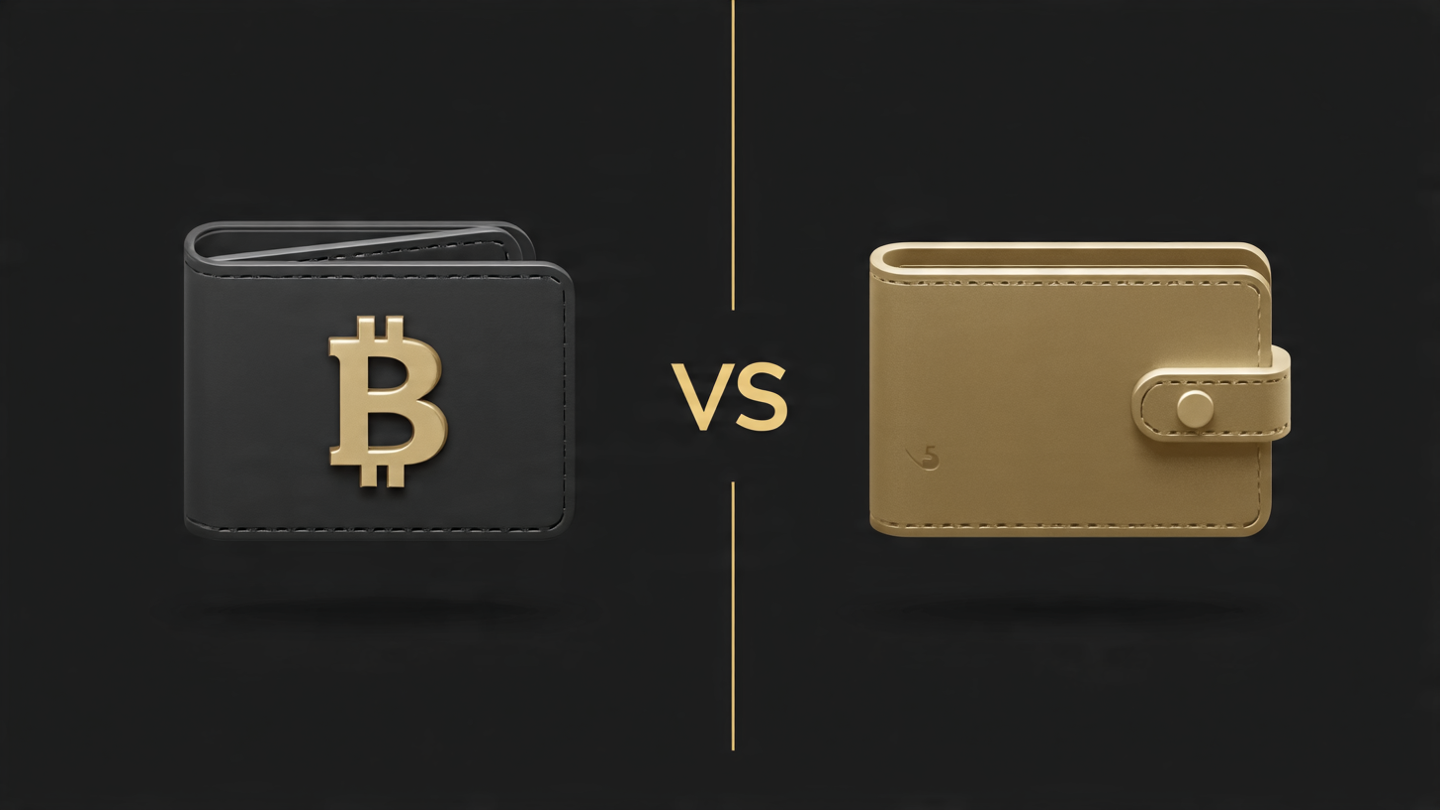
where to store your Bitcoin is crucial for long-term security.
Exchange Wallets (Hot Storage)
Advantages:
- Instant access for trading
- No additional setup required
- Often insured against hacks
- Convenient for frequent transactions
Disadvantages:
- You don’t control the private keys
- Vulnerable if the exchange is hacked or goes bankrupt
- Subject to exchange downtime or account freezes
- Not ideal for long-term holdings
Software Wallets (Warm Storage)
Advantages:
- You control private keys
- Free to use
- Good balance of security and convenience
- Easy to backup and restore
Disadvantages:
- Vulnerable if your device is compromised
- Requires technical knowledge for setup
- Lost backups mean lost Bitcoin
Hardware Wallets (Cold Storage)
Advantages:
- Highest security level
- Private keys never exposed to internet
- Protected even if computer is compromised
- Ideal for long-term holdings
Disadvantages:
- Costs $50-$200 to purchase
- Less convenient for frequent trading
- Can be lost or damaged (though recoverable with seed phrase)
Recommended Strategy: Keep trading amounts on the exchange, medium holdings in a software wallet, and long-term investments in a hardware wallet.
For a detailed comparison of cryptocurrency wallets, check out [internal link: Best Bitcoin Wallets for 2025].
Conclusion
Choosing the best bitcoin exchange for beginners is a personal decision based on your priorities, technical comfort level, and investment goals. Whether you prioritize the simplicity of Coinbase, the low fees of Kraken, or the social features of eToro, the platforms highlighted in this guide offer excellent starting points for your cryptocurrency journey.
See more: Best Cryptocurrency Exchange for Beginners in 2025 Complete Guide