Trump Media Digital Tokens: Revolutionary Shareholder Rewards Plan
Trump Media announces groundbreaking digital tokens for shareholders. Explore how this cryptocurrency initiative transforms investor rewards.

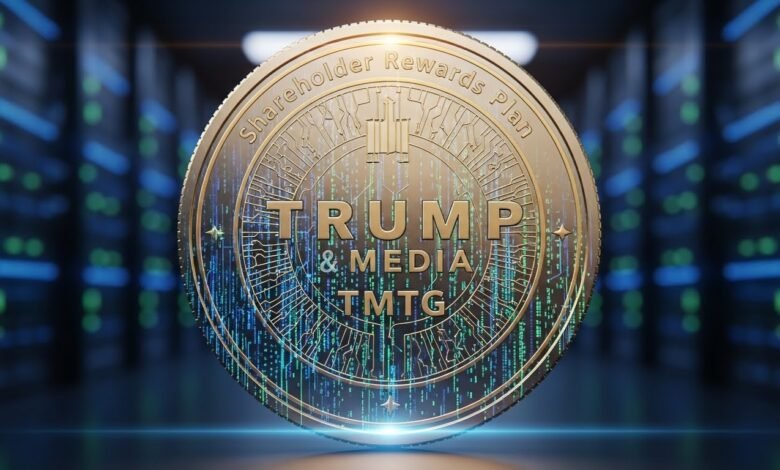
Trump Media digital tokens emerged as the company’s latest innovation for rewarding its investor base. This groundbreaking announcement has sent ripples through both traditional finance circles and cryptocurrency communities, marking what could be a transformative moment in how publicly traded companies engage with their shareholders. The intersection of social media platforms, political influence, and blockchain technology creates an unprecedented scenario that demands careful examination from investors, regulators, and market observers alike.
The decision by Trump Media & Technology Group to introduce digital tokens for shareholders represents more than just another corporate initiative. It signals a potential paradigm shift in shareholder engagement strategies, combining the viral appeal of cryptocurrency with the structural framework of traditional equity ownership. As companies worldwide search for innovative ways to reward loyalty and drive engagement, this move positions Trump Media at the forefront of corporate blockchain adoption.
Trump Media’s Digital Token Initiative
The Trump Media digital tokens program fundamentally reimagines how companies can create value beyond traditional dividends and stock appreciation. Unlike conventional shareholder rewards programs that distribute cash or additional shares, this cryptocurrency-based approach leverages blockchain technology to create a unique digital asset class tied directly to shareholder status. The tokens are designed to function as both a reward mechanism and a potential gateway to exclusive platform features, creating multiple layers of value proposition for investors.
Trump Media & Technology Group, the parent company behind Truth Social and other ventures, has structured this initiative to appeal to its predominantly retail investor base. The company recognizes that its shareholder demographic skews heavily toward individual investors who have demonstrated remarkable loyalty during volatile market conditions. By offering cryptocurrency rewards for stock owners, the company taps into the cultural zeitgeist surrounding digital assets while simultaneously deepening investor commitment to the platform ecosystem.
The technical architecture supporting these tokens remains a subject of intense scrutiny. Industry analysts suggest that the implementation could follow various blockchain protocols, each offering distinct advantages regarding transaction speed, security features, and integration capabilities with existing financial infrastructure. The choice of blockchain framework will significantly impact token utility, liquidity potential, and regulatory compliance considerations.
How Digital Tokens Transform Shareholder Engagement
Traditional shareholder engagement models have remained largely unchanged for decades, relying primarily on quarterly earnings reports, annual meetings, and periodic dividend distributions. The introduction of Trump Media cryptocurrency initiative disrupts this established pattern by creating ongoing touchpoints between the company and its investor community. Digital tokens enable real-time rewards distribution, transparent tracking of shareholder benefits, and programmable features that can adapt to changing market conditions or company performance metrics.
The psychological impact of receiving tangible digital assets cannot be understated. While traditional dividends appear as modest line items on brokerage statements, blockchain-based shareholder rewards arrive as discrete, countable tokens that investors can track, potentially trade, or accumulate over time. This gamification element transforms passive shareholding into active participation, fostering a sense of community and shared purpose among token recipients.
Furthermore, the tokens could potentially unlock exclusive access to platform features, premium content, or governance rights within the Trump Media ecosystem. This multi-dimensional utility proposition extends far beyond simple financial compensation, creating sticky engagement mechanisms that traditional equity instruments cannot replicate. Shareholders holding these tokens might enjoy privileged access to Truth Social features, early announcements, virtual events with company leadership, or voting rights on certain platform development decisions.
Regulatory Landscape and Compliance Considerations
The announcement of Trump Media digital tokens immediately raises critical questions about regulatory compliance and securities law interpretation. The Securities and Exchange Commission has maintained an increasingly vigilant stance toward digital assets, particularly when they blur the lines between securities, commodities, and utility tokens. Trump Media must navigate this complex terrain while avoiding classifications that could trigger burdensome registration requirements or trading restrictions.
Legal experts analyzing the initiative point to several precedent-setting cases that will likely influence how regulators approach this shareholder token distribution program. The Howey Test, which determines whether an asset qualifies as an investment contract, becomes particularly relevant. If the tokens are deemed securities, Trump Media faces comprehensive disclosure obligations, trading restrictions, and potential liability frameworks that could complicate implementation.
However, the company may argue that these tokens function primarily as loyalty rewards or platform access credentials rather than investment instruments. This distinction, while subtle, carries enormous regulatory implications. Similar arguments have been made by other companies attempting to distribute digital assets without triggering securities registration, with mixed results that underscore the unsettled nature of cryptocurrency regulation.
International regulatory considerations add another layer of complexity. Shareholders residing in jurisdictions with restrictive cryptocurrency policies might face barriers to receiving or utilizing their tokens. Trump Media must either design a geographically segmented distribution system or risk excluding certain investor populations from participating in the digital token rewards program.
Market Implications and Investor Response
The market reaction to Trump Media’s announcement reflects the polarized nature of both the company itself and the broader cryptocurrency debate. Enthusiastic supporters view the Trump Media cryptocurrency initiative as visionary leadership that positions the company at technology’s cutting edge. These investors appreciate the additional value layer beyond traditional equity ownership and see potential for token appreciation independent of stock performance.
Skeptics, conversely, question whether the initiative represents substance or spectacle. Critics argue that digital token distributions might serve as distractions from fundamental business performance concerns or attempts to artificially inflate shareholder enthusiasm during challenging operational periods. The volatility historically associated with cryptocurrency markets raises concerns about whether token values will provide meaningful long-term benefits or simply introduce additional speculation into the shareholder experience.
Trading volume and stock price movements following the announcement offer tangible indicators of market sentiment. Early data suggests heightened retail investor interest, with trading volumes spiking significantly in the hours following the token program disclosure. However, institutional investors appear more cautious, with many adopting wait-and-see approaches pending regulatory clarity and technical implementation details.
The announcement also influences competitive dynamics within the social media and technology sectors. Other companies with similar shareholder demographics may feel pressure to develop comparable blockchain-based investor engagement strategies. This potential trend could fundamentally alter corporate governance norms and shareholder relations practices across multiple industries.
Technical Implementation and Token Economics
The technical sophistication underlying the Trump Media digital tokens will ultimately determine the initiative’s success or failure. Token economics, commonly called tokenomics, encompasses the supply mechanisms, distribution schedules, utility features, and value capture models that govern digital asset behavior. Trump Media must carefully balance token scarcity with accessibility, ensuring sufficient distribution to meaningfully reward shareholders without diluting value through oversupply.
Smart contract programming enables automated distribution tied to specific shareholder milestones or company performance metrics. For example, the company could implement tiered reward structures where longer-term shareholders receive progressively larger token allocations, incentivizing holding periods and reducing speculative trading. Alternative models might link token distributions to Truth Social usage metrics, platform growth milestones, or revenue achievements, aligning shareholder interests with operational success.
The decision regarding token liquidity represents another critical design choice. Will Trump Media cryptocurrency rewards be immediately tradeable on secondary markets, or will they incorporate lock-up periods and vesting schedules? Immediate liquidity maximizes flexibility for shareholders but risks creating speculative frenzies disconnected from fundamental value. Conversely, extended lock-up periods protect against volatility but may frustrate investors seeking to monetize their rewards.
Blockchain selection dramatically impacts user experience, transaction costs, and environmental considerations. Ethereum-based tokens offer robust smart contract capabilities and extensive infrastructure support but face criticism regarding energy consumption and occasionally high gas fees. Alternative chains like Solana or Polygon provide faster transaction speeds and lower costs but have less established track records and smaller developer ecosystems. Trump Media’s choice will signal its priorities regarding decentralization, scalability, and environmental responsibility.
Competitive Landscape and Industry Context
Trump Media’s move into digital token distribution occurs against a backdrop of evolving corporate attitudes toward blockchain technology. While cryptocurrency adoption has progressed significantly beyond its early Wild West reputation, mainstream corporate integration remains relatively limited. Most Fortune 500 companies maintain cautious approaches, conducting pilots and proof-of-concept initiatives rather than committing to comprehensive token-based shareholder programs.
However, several pioneering organizations have tested similar waters with varying degrees of success. Overstock.com famously issued digital security tokens to shareholders, navigating complex regulatory processes and establishing precedents that subsequent entrants could reference. Sports franchises have experimented with fan tokens that provide governance rights and exclusive experiences, demonstrating demand for blockchain-based engagement mechanisms in emotionally invested communities.
The social media sector specifically presents unique opportunities for cryptocurrency integration with shareholder rewards. Platform economics naturally align with token utility models, where digital assets can unlock features, facilitate transactions, or represent governance stakes within user communities. Twitter briefly explored cryptocurrency tipping features, while Meta investigated blockchain initiatives before scaling back ambitions. Trump Media’s commitment to proceeding with shareholder token distributions distinguishes it from competitors who have pursued more tentative blockchain strategies.
Industry analysts note that Trump Media enjoys certain advantages in pursuing this initiative compared to traditional corporate giants. The company’s shareholder base demonstrates unusually high engagement levels and ideological alignment with leadership, reducing resistance to experimental approaches. Additionally, the company operates with fewer legacy system constraints than established technology firms, allowing more agile implementation of novel technologies.
Potential Benefits for Long-Term Shareholders
For investors maintaining positions over extended periods, the Trump Media digital tokens program could provide substantial incremental value beyond traditional equity returns. The accumulation of tokens over multiple distribution cycles creates a secondary asset class within investor portfolios, potentially appreciating independently of stock price movements. This diversification within a single investment position offers unique risk management characteristics.
Long-term shareholders might also benefit from enhanced platform integration as token holdings unlock premium Truth Social features or exclusive content access. This utility dimension transforms passive financial investments into active platform participation, increasing daily engagement and emotional investment in company success. The psychological satisfaction of accumulating tangible digital rewards reinforces holding conviction during market volatility.
Community-building aspects of blockchain-based shareholder programs foster stronger connections among investor populations. Token holders might access private forums, virtual meetups, or governance processes that create social bonds transcending traditional shareholder relationships. These network effects can stabilize shareholder bases, reduce turnover, and create organic advocacy as investors become ambassadors for both the company and the token ecosystem.
The potential for token value appreciation presents another compelling benefit scenario. If secondary markets develop for these tokens and demand materializes from non-shareholders seeking platform access or speculative opportunities, token values could significantly exceed initial distribution costs to the company. Shareholders receiving tokens essentially gain options on this potential upside without additional capital commitments.
Risks and Challenges Facing the Initiative
Despite optimistic scenarios, numerous substantial risks accompany the Trump Media cryptocurrency initiative that prudent investors must carefully evaluate. Regulatory intervention represents the most immediate and potentially catastrophic threat. If securities regulators determine that token distributions violate existing frameworks, the company could face enforcement actions, fines, or mandates requiring program restructuring or suspension. Such outcomes would damage shareholder confidence and potentially trigger stock price declines exceeding any token-related benefits.
Technical implementation failures pose another significant risk category. Blockchain projects frequently encounter unexpected challenges during deployment, from smart contract vulnerabilities to user interface difficulties that frustrate adoption. If shareholders struggle to access, store, or utilize their tokens due to technical complications, the initiative could generate negative sentiment rather than the intended engagement boost.
Market conditions for cryptocurrency generally present macroeconomic risks beyond company control. The digital asset sector experiences dramatic boom-and-bust cycles driven by regulatory developments, technological shifts, and speculative sentiment. Trump Media digital tokens launched during a cryptocurrency winter might fail to generate excitement or maintain value regardless of underlying utility or distribution generosity.
Competitive responses from other platforms could dilute the initiative’s differentiation advantage. If major social media companies quickly replicate token distribution strategies with superior technical implementation or more compelling utility propositions, Trump Media’s first-mover advantage disappears. The company must continuously innovate its token program to maintain relevance in a rapidly evolving landscape.
Future Implications for Corporate Governance
The shareholder token distribution program pioneered by Trump Media could catalyze broader transformations in corporate governance structures. Traditional shareholder voting mechanisms, hampered by low participation rates and proxy advisory firm dominance, might evolve toward blockchain-based governance where token holdings enable granular voting on various company decisions. This democratization of corporate control aligns with cryptocurrency ideological foundations emphasizing decentralization and individual empowerment.
Token-based governance could extend beyond traditional shareholder proposals to encompass platform policy decisions, content moderation guidelines, or feature development priorities. This expanded governance scope transforms shareholders into genuine stakeholders with direct influence over operational matters traditionally reserved for management discretion. The model particularly suits social media platforms where user preferences and community standards significantly impact business success.
Compensation structures for executives and employees might also integrate digital token components alongside traditional equity grants. This approach could align incentives more precisely with specific performance metrics or strategic objectives while creating additional retention mechanisms through vesting schedules and utility features. Token compensation might also facilitate more flexible arrangements for international employees facing tax complications with traditional equity instruments.
The transparency inherent in blockchain systems could revolutionize shareholder communications and financial reporting. Real-time token distributions, automated smart contract executions, and immutable transaction records provide unprecedented visibility into company operations and shareholder treatment. This transparency could reduce information asymmetries, minimize agency costs, and rebuild trust in corporate governance following decades of scandals and stakeholder skepticism.
Comparing Digital Tokens to Traditional Dividends
Understanding how Trump Media cryptocurrency rewards differ from conventional dividend payments illuminates the initiative’s revolutionary potential. Traditional dividends represent straightforward cash distributions, typically paid quarterly, based on company profitability and board discretion. They provide predictable income streams that appeal to income-focused investors but offer limited engagement beyond financial compensation.
Digital tokens, conversely, create dynamic, multi-dimensional value propositions. Beyond potential financial appreciation, tokens can embed utility features, governance rights, and community access that dividends cannot replicate. The programmable nature of tokens enables sophisticated reward structures responsive to individual shareholder behavior, holding periods, or platform engagement levels. This flexibility permits highly targeted incentive alignment impossible through uniform dividend distributions.
Tax implications present another critical distinction. Dividend income typically faces immediate tax obligations in the year received, potentially at higher ordinary income rates. Token distributions might qualify for different tax treatments depending on regulatory classifications and individual circumstances, potentially offering tax deferral advantages until tokens are sold or converted. However, this tax uncertainty also creates compliance complexities that dividend recipients avoid.
Psychological and behavioral differences between receiving cash dividends versus blockchain-based tokens should not be underestimated. Dividends often disappear into bank accounts or reinvestment programs with minimal conscious acknowledgment. Tokens arrive as discrete, visible assets that recipients can track, potentially trade, and actively manage. This tangibility creates stronger psychological connections between shareholders and companies, potentially influencing holding decisions and emotional investment in company success.
Investment Strategies for Token-Receiving Shareholders
Investors participating in the Trump Media digital tokens program face strategic decisions regarding token management that differ markedly from traditional equity investment considerations. The optimal approach depends on individual financial circumstances, risk tolerance, and beliefs about token value trajectories. Several distinct strategies merit consideration for different investor profiles.
Accumulation strategies appeal to long-term believers in both Trump Media’s business trajectory and cryptocurrency adoption trends. These investors retain all distributed tokens, potentially acquiring additional tokens through secondary markets when available. The accumulation approach maximizes exposure to potential token appreciation while building utility benefits as platforms integrate token-gated features. However, this strategy concentrates risk significantly, leaving investors vulnerable if token values collapse or regulatory actions undermine utility.
Immediate monetization represents the opposite extreme, where shareholders liquidate token distributions as quickly as secondary markets permit. This strategy converts uncertain token value into definite cash proceeds, eliminating cryptocurrency exposure while retaining core equity positions. Risk-averse investors uncomfortable with digital asset volatility might prefer this approach, accepting potentially foregone appreciation in exchange for certainty and simplicity.
Hybrid approaches balance accumulation and monetization, perhaps retaining tokens received during the first year while selling subsequent distributions. Alternatively, shareholders might maintain fixed token position sizes, selling excess distributions beyond target allocations. These balanced strategies provide cryptocurrency exposure without excessive concentration while capturing liquidity from a portion of Trump Media cryptocurrency rewards.
Platform engagement optimization focuses less on financial outcomes and more on maximizing utility benefits from token holdings. Investors pursuing this strategy accumulate sufficient tokens to unlock desired platform features, exclusive content access, or governance participation rights, then sell additional distributions exceeding utility thresholds. This approach treats tokens primarily as access credentials rather than financial assets.
Expert Opinions and Industry Analysis
Financial analysts covering Trump Media have expressed divergent opinions regarding the digital token initiative’s likely impact on shareholder value and business fundamentals. Bullish analysts emphasize the innovative approach to shareholder engagement and potential for building sticky investor loyalty through novel reward mechanisms. These observers note that successful implementation could establish competitive moats difficult for rivals to replicate while generating positive publicity and attracting new shareholder cohorts.
Skeptical analysts question whether token distributions address fundamental business challenges or merely create superficial excitement masking operational difficulties. These critics point to Truth Social’s user growth challenges and revenue generation struggles, arguing that management attention devoted to cryptocurrency initiatives might be better invested in core product improvements. Concerns also surface regarding potential regulatory complications that could consume resources and management bandwidth.
Cryptocurrency experts analyzing the announcement focus heavily on technical implementation details and tokenomics design. These specialists emphasize that success hinges on carefully balanced token supply mechanisms, compelling utility features, and seamless user experiences. Past corporate token initiatives that overlooked these technical considerations have failed to generate sustained engagement or value, providing cautionary lessons for Trump Media’s blockchain strategy.
Legal scholars specializing in securities regulation express particular interest in how this initiative navigates complex compliance landscapes. Many note that Trump Media operates in an intensely scrutinized environment given the political prominence associated with its brand, potentially attracting regulatory attention beyond what typical companies might face for similar initiatives. The outcome of regulatory reviews could establish important precedents affecting how other companies approach shareholder token distributions.
Conclusion
The broader implications extend far beyond a single company’s shareholder base. If Trump Media successfully implements blockchain-based shareholder rewards that enhance engagement, attract new investors, and withstand regulatory scrutiny, corporate America may witness a paradigm shift in investor relations practices. Conversely, implementation failures or regulatory setbacks could discourage experimentation and delay mainstream corporate cryptocurrency adoption for years.
As this pioneering initiative unfolds, shareholders, regulators, and industry observers should monitor developments closely. The intersection of social media, political influence, and cryptocurrency creates unprecedented dynamics that will shape digital asset regulatory frameworks and corporate governance evolution. Whether you view Trump Media digital tokens as revolutionary innovation or speculative distraction, the initiative undeniably marks an important chapter in the ongoing convergence of traditional finance and blockchain technology.
Stay informed about Trump Media’s token distribution timeline, technical specifications, and regulatory developments by following official company announcements and consulting financial advisors about how this program affects your individual investment strategy. The future of shareholder engagement may be unfolding before our eyes.
See more:Donald Trump’s Son Eric Trump Speaks After Bitcoin’s Decline