Bitcoin Hits Multimonth Lows As NYDIG Flags ‘Actual Capital Flight’
Bitcoin hits multimonth lows as NYDIG flags “actual capital flight.” Discover what’s driving BTC’s drop, ETF outflows and what it means for investors.


Bitcoin Hits Multi month. In a world where most of our lives are stored as data, the past has never been more accessible. Yet many people still feel disconnected from their own history. This is where Title Past becomes a powerful concept and tool. Whether you see Title Past as a platform, a method, or a mindset, it refers to the way we organize, explore, and interpret the titles, records, and stories that define our personal and collective past.
Instead of letting old documents gather dust in physical archives, Title Past brings them into the digital age. It connects historical documents online, genealogy records, and family history research into a single, understandable narrative. From birth and marriage records to immigration papers and land deeds, the idea of Title Past is about transforming scattered data into meaningful stories that help you understand who you are and where you come from. Bitcoin Hits Multi month.
This article will explore how Title Past works in practice, why the past matters for your present identity, and how you can use digital tools, archives, and structured titles to bring your history to life. Whether you are a casual family researcher or an experienced genealogist, understanding Title Past will help you navigate the complex world of digital archives, historical databases, and ancestral discovery with confidence. Bitcoin Hits Multi month.
Table of Contents
ToggleUnderstanding The Concept Of “Title Past”
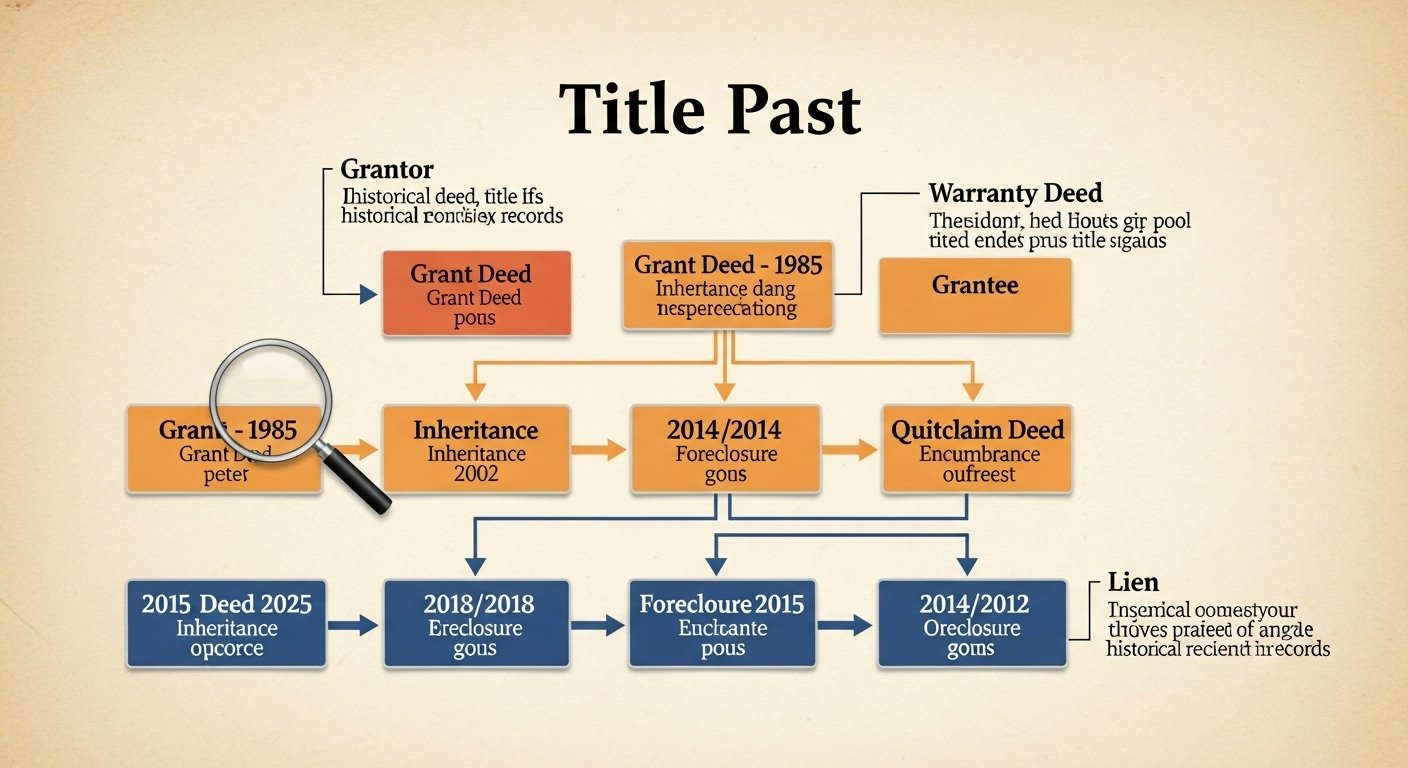
What Does “Title Past” Really Mean?
At its core, Title Past is about how we connect titles to time. Every document, record, or role we hold in life has a title and a date behind it. Job titles, property titles, academic titles, and even the titles of old photographs all carry information about the past. When we talk about Title Past, we are talking about the structure that links these titles to specific moments in history.
Imagine opening an old school certificate. The document has your name, the name of the institution, the date, and a title such as “Certificate of Completion.” That title is part of your past record, and in a digital context, Title Past is the way that record is stored, indexed, and retrieved. By organizing these past titles in a consistent format, Title Past allows you to search, filter, and interpret your own history or your family’s history with far more ease.
Why Titles Are The Keys To The Past
Titles act as anchors in time. When we search for ancestral records or genealogy information, we often start with names and titles. It might be a job title like “Carpenter,” a legal title like “Deed of Sale,” or a descriptive title such as “Passenger List.” Title Past emphasizes just how crucial these titles are for connecting scattered pieces of information. Bitcoin Hits Multi month.
Because titles are usually shorter and more standardized than narrative text, they are ideal for digital indexing, metadata tagging, and search-based discovery. When used correctly, Title Past turns a chaotic pile of old documents into a searchable network of historical records, where each title points you to a specific time, place, or role in someone’s life story.
The Role Of Title Past In Genealogy And Family History
How Title Past Supports Family History Research
For anyone tracing their family tree, Title Past is an invaluable guide. Family history often starts with a few known facts: a grandparent’s name, a place of birth, maybe a date of marriage. From there, you rely on genealogy records, such as census data, church registers, and vital records, many of which include standardized titles.
When a platform or research approach is built around Title Past, it uses these titles to help you navigate complex data. Instead of manually opening hundreds of images or scans, you can search for titles like “Marriage Register,” “Birth Certificate,” or “Naturalization Record.” This approach transforms family history research from guesswork into a structured journey guided by the logic of titles and dates. Bitcoin Hits Multi month.
Connecting Generations Through Digital Archives
One of the most powerful outcomes of Title Past is the way it connects generations. Modern digital archives and online historical databases often rely on titled collections: “Town Records 1850–1900,” “Immigration Lists,” or “Parish Baptisms.” By understanding the logic of these titles and how they are organized, you can move seamlessly across decades or even centuries.
A strong Title Past system allows you to follow a surname from one record type to another. You might start with a birth record, then trace parents in a marriage register, then follow them through census rolls. Each record has its own title and its own place within the larger historical timeline. As you move from one titled record to the next, Title Past turns fragmented data into a continuous family story.
Title Past And The Power Of Digital Archives
From Paper Records To Searchable History
In the past, exploring history meant visiting physical archives, opening heavy record books, and interpreting handwritten entries. Today, Title Past brings a new level of accessibility by organizing these same records digitally. Scans of old books, microfilms, and handwritten ledgers become fully searchable when paired with metadata, indexing, and standardized titles. Bitcoin Hits Multi month.
These historical documents online often include labels such as “Births 1890–1895” or “Land Titles Register.” The Title Past concept takes these labels seriously. It uses them as the primary entry points into the past, so users can quickly filter records by type, date range, and location. The result is a dramatic reduction in the time it takes to find relevant information, and a much higher chance of discovering hidden details in your family history.
Metadata, Indexing, And Title Structures
Behind every efficient Title Past system is smart metadata design. When archivists or databases label a record, they do not just assign a title. They also include tags such as location, date, language, and record category. This additional layer of descriptive information allows sophisticated search and filtering across vast collections of digital archives.
For example, if you are researching an ancestor who lived in a specific town between 1900 and 1920, you can combine the Title Past record type, such as “Census,” with location and date filters. This targeted approach makes it possible to extract meaningful insights from millions of records. You are no longer lost in the noise of history; instead, you are using Title Past as a structured compass through the archives.
Practical Ways To Use Title Past In Your Own Research

Starting Your Journey With Basic Records
If you are new to Title Past, a good starting point is to focus on core records: births, marriages, deaths, and censuses. These vital records usually have very clear, standardized titles, which makes them easy to search in online genealogy databases. Begin with known details, such as a grandparent’s full name and approximate birth date, then look for records whose titles match that information. Bitcoin Hits Multi month.
As you find each record, note the exact Title Past label it uses. If you see “Civil Birth Registration,” “Church Marriage Register,” or “Death Index,” you can use those same titles to expand your search to other relatives or nearby years. Over time, you will recognize regular patterns in how the past is titled, which will make future searches faster and more accurate.
Expanding To Land, Immigration, And Occupation Records
Once you have the basics, Title Past can guide you into more specialized areas of research. Many people are fascinated by immigration records, ship passenger lists, and land title documents. These often have distinctive titles such as “Passenger Manifest,” “Land Grant,” or “Deed Book.” By learning how these titles are structured in different countries and time periods, you can uncover richer details about your ancestors’ lives.
For example, a Title Past entry in a land registry might reveal not only the name of the owner, but also the exact location of their property and the date they acquired it. An occupational directory might list someone’s job title, such as “Blacksmith” or “Teacher,” along with the town and year. Each of these titled records adds depth to your understanding of your ancestors’ daily lives and social status.
Title Past In Personal Identity And Storytelling
Turning Data Into A Meaningful Narrative
While Title Past is heavily rooted in data and records, its true power lies in storytelling. A long list of titles, dates, and places may be accurate, but it does not automatically become a compelling story. To make history feel alive, you must interpret these historical records and connect them emotionally and contextually.
For example, finding the Title Past entry for a great-grandparent’s marriage certificate can prompt questions about the culture, economy, and social norms of that era. Were they marrying during a time of war, migration, or economic hardship? Did their occupation title reflect a traditional trade or a new industrial job? By weaving these details together, you transform genealogy records into a living narrative that helps you understand your family’s choices and challenges. Bitcoin Hits Multi month.
How Title Past Shapes Your Sense Of Self
The more you explore Title Past, the clearer it becomes that the past is not just about other people. It influences your own identity, values, and sense of belonging. When you discover patterns in your family’s occupational titles, migration routes, or land ownership, you begin to see how your personal story fits into a larger historical context.
For many people, learning through Title Past provides a deeper sense of connection to their heritage. It can explain why certain traditions survived, how family names evolved, or why relatives settled in particular regions. By understanding your family history through the lens of titled records, you gain a more grounded and meaningful view of who you are today.
Title Past And Ethical Considerations In Historical Research
Respecting Privacy And Sensitive Information
Working with Title Past is not only about discovery; it is also about responsibility. Many historical documents contain sensitive information, such as adoption details, medical notes, or legal disputes. While these records may be accessible, not everything you learn should be shared publicly without consideration.
An ethical approach to Title Past involves balancing curiosity with respect. When you uncover sensitive information about living relatives or recent generations, consider how sharing that information might affect them. Even though digital archives make it easy to access data, it is important to remember that behind every title and date is a real person with a private life.
Handling Conflicting Or Incomplete Records
Another ethical aspect of Title Past is the interpretation of incomplete or conflicting records. Sometimes names are misspelled, dates do not match, or titles are inaccurate. When that happens, resist the urge to force a conclusion just to fit your family story. Instead, acknowledge uncertainty and treat tentative findings as open questions.
Responsible use of Title Past means recognizing that not every record tells the whole truth. Handwritten documents, translation errors, and inconsistent record-keeping all influence the historical trail. By being transparent about what you know, what you suspect, and what remains unclear, you maintain integrity in your family history research.
Building Your Own Title Past System
Organizing Your Personal Archive
You do not have to rely only on external platforms to benefit from Title Past. You can create your own system at home by organizing documents, photographs, and digital files using clear and consistent titles. For example, instead of vague file names like “scan01,” you can use structured titles such as “Birth_Certificate_John_Doe_1932” or “Wedding_Photo_Anna_Mark_1965.”
Using Digital Tools To Enhance Title Past
Modern technology offers countless ways to enhance your personal Title Past strategy. Note-taking apps, cloud storage, and genealogy software all allow custom titles, tags, and metadata fields. You can attach transcriptions, translations, and contextual notes to each item, turning a simple digital scan into a rich historical record.
The Future Of Title Past In A Rapidly Changing World
Artificial Intelligence And Smarter Historical Search
As technology continues to evolve, Title Past will likely become even more powerful. Emerging tools based on artificial intelligence and machine learning can read handwritten records, recognize patterns, and suggest connections you might easily miss. These tools work best when the data they analyze is well titled and tagged, which makes Title Past more relevant than ever. Bitcoin Hits Multi month.
For example, an AI-driven system might automatically link a Title Past record from a census to an immigration manifest, based on matching names, ages, and locations. This can save researchers countless hours and reveal relationships that were previously buried in the data. The combination of smart tools and structured Title Past data is set to transform how we explore the past.
Preserving History For Future Generations
The long-term promise of Title Past is preservation. As more archives, libraries, and individuals digitize their collections, the risk of losing important records due to decay or disaster is reduced. However, digitization alone is not enough; without clear titles and metadata, digital files can become as lost as paper boxes in a dusty attic.
By embracing Title Past principles now, you contribute to a future where your descendants can explore their roots with clarity and ease. Every well-titled document, every carefully preserved story, becomes a building block in a larger historical network that connects generations yet to come.
Conclusion
Title Past is much more than a phrase. It is a structured way of thinking about history, identity, and digital information. By focusing on titles, dates, and metadata, Title Past transforms overwhelming piles of records into a navigable landscape of family history, genealogy records, and historical documents online. It helps you discover where you come from, understand your place in a larger story, and preserve that story for those who will follow.
Whether you use professional genealogy platforms, public digital archives, or your own home-built system, the principles of Title Past remain the same: consistent titles, careful organization, ethical interpretation, and a commitment to storytelling. When you bring these elements together, the past stops being distant and abstract. It becomes personal, rich, and alive.
FAQs
Q: What is Title Past in simple terms?
Title Past is a way of organizing and exploring historical records by focusing on their titles, dates, and categories. When you see labels like “Birth Certificate,” “Land Deed,” or “Passenger List,” those titles become entry points into the past. Instead of treating history as random fragments, Title Past connects each titled record to a specific time and context, making it easier to trace family stories and understand historical events.
Q: Do I need special software to use Title Past effectively?
You do not need expensive software to benefit from Title Past</strong>. While dedicated genealogy platforms and history websites can make research easier, you can also apply Title Past principles using basic tools like cloud storage, spreadsheets, and note-taking apps.
Q: Can Title Past be used for more than just family history?
Yes, Title Past applies to any kind of historical or organizational research. Businesses can use it to manage archival records, legal teams can use it to track case files, and individuals can use it to organize personal documents and photographs. Any situation where past information needs to be retrieved, analyzed, or preserved can benefit from a structured Title Past approach.
Q: What is the best way to start building my own Title Past system?
The best way to begin is by gathering your existing documents and giving them consistent, informative titles. Start with vital records such as birth certificates, marriage documents, and key photographs. Rename digital files with clear labels that include the type of record, the person’s name, and the date if possible. Over time, expand your Title Past system to include notes, scanned documents, and links to online records. This gradual, organized approach will create a reliable foundation for long-term family history research and personal archiving.